Roofs Built to Handle Northern Utah Weather
Roofing Services in Salt Lake City & Murray, UT, for homes and businesses facing heavy snow loads, UV exposure, and seasonal temperature extremes
Complete Roofing Solutions for Homes & Businesses
Northern Utah roofs endure snow accumulation measured in feet, not inches, followed by rapid spring thaw cycles and intense high-elevation UV exposure that test every seal and flashing joint. Along the Wasatch Front and into Southwest Wyoming, these extreme climate conditions demand specialized roofing expertise to prevent early system failures, shingle deterioration, and structural stress.
As an employee-owned company with decades of experience, Kimball Roofing & Siding provides comprehensive residential and commercial roofing solutions designed to withstand local weather patterns, improve energy efficiency, and maximize the long-term performance of your investment.
Get a Quote
Get a Quote
We will get back to you as soon as possible.
Please try again later.
Residential Roofing Services in Utah and SW Wyoming
Homeowners across Utah and Southwest Wyoming need durable roofing solutions that provide long-term protection, peak energy efficiency, and exceptional weather resistance, all while enhancing curb appeal and property value. Our specialized residential services include:
- Professional Home Roof Installation & New Construction: Precision engineering and installation for new home construction projects tailored to local elevation requirements.
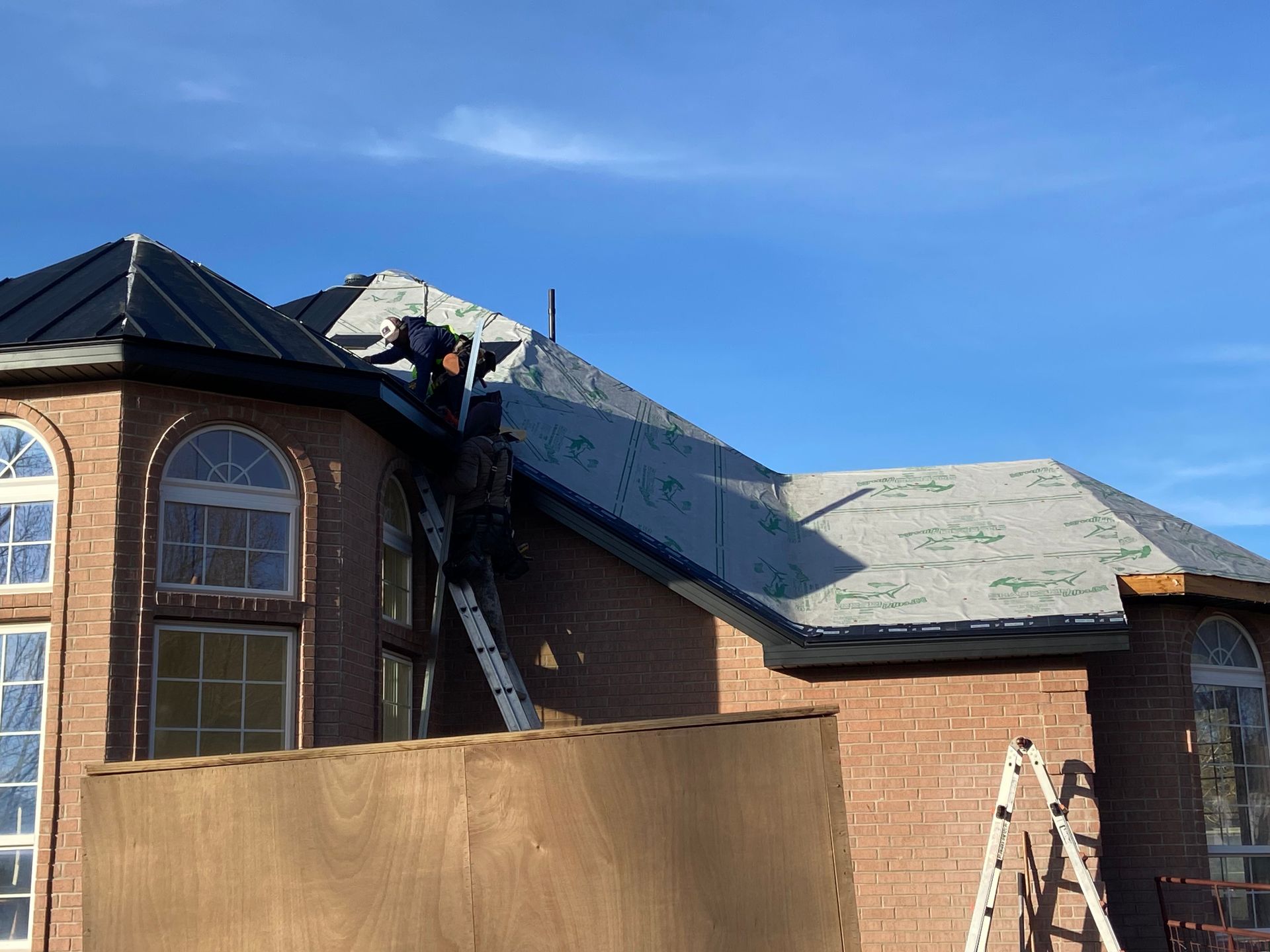
- Full-System Roof Replacement & Teardowns: Full-system tear-downs down to the decking when aging or degraded residential roofs are no longer cost-effective to repair.
- Emergency Roof Repairs & Storm Damage Mitigation: Fast, targeted fixes for active leaks, wind-damaged shingles, compromised flashing, and sudden severe storm damage.
- Structural Roof Inspections & Storm Assessments: Thorough preventative evaluations, real estate certification checks, and insurance-ready structural storm assessments.
- Preventative Roof Maintenance Programs: Proactive care and cleaning programs designed to extend your roof's lifespan and mitigate costly future repairs.
Commercial Roofing Solutions for Local Businesses
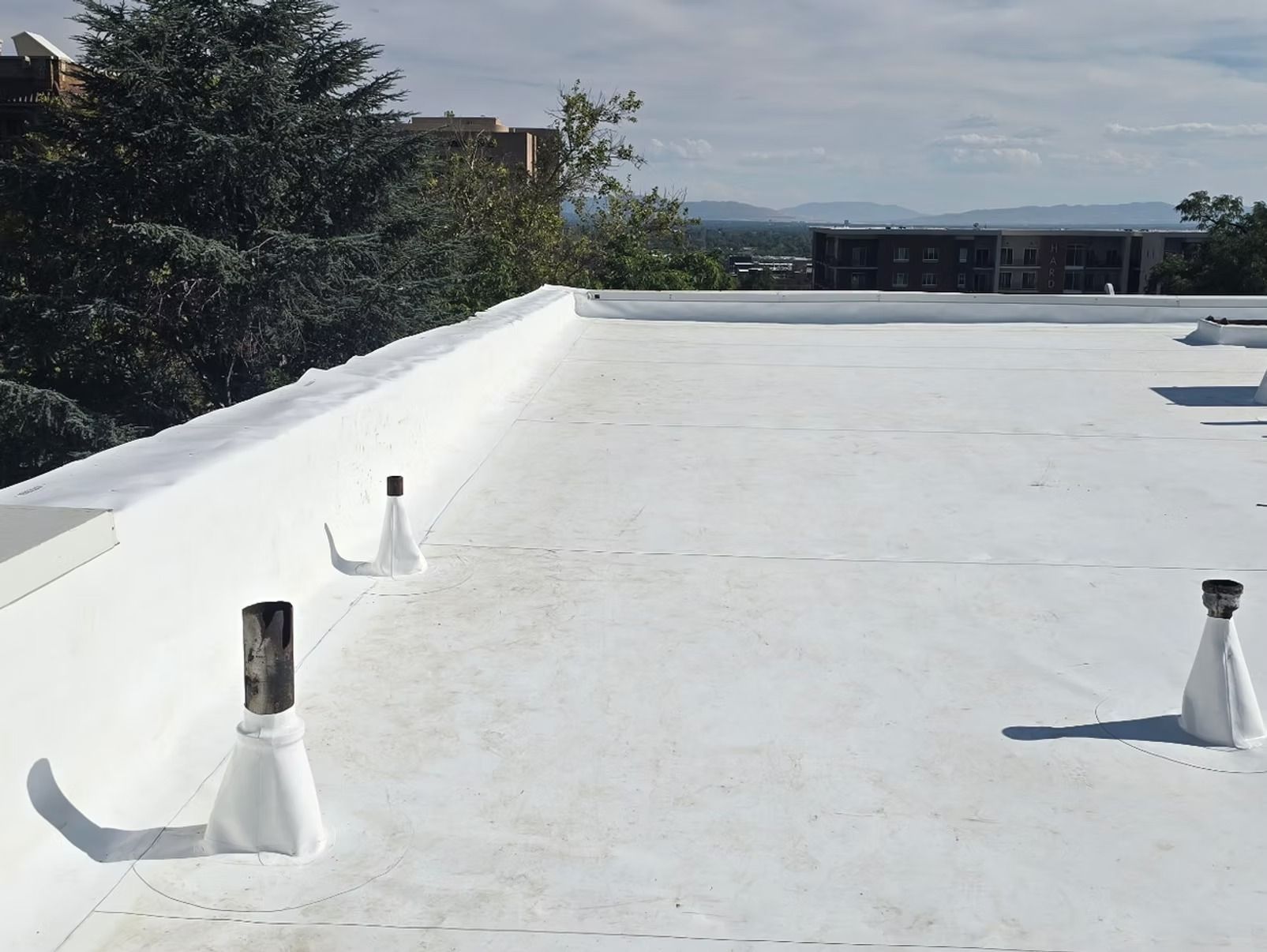
Commercial properties require specialized material knowledge, heavy-duty structural engineering, and precise installation methods. We manage complex flat and low-slope systems with zero downtime to your business operations:
- Flat Roofing Systems: TPO, PVC & Membrane Options: Premium installations utilizing durable TPO, PVC, and advanced commercial membrane systems engineered for extreme thermal expansion and contraction.
- Commercial Roof Replacement for Large-Scale Properties: Full-scale updates for aging commercial properties to restore structural integrity, improve energy efficiency, and optimize drainage.
- Commercial Roof Repairs & Leak Remediation: Immediate mitigation of membrane punctures, pooling water, joint failures, and severe industrial weather damage.
- Commercial Roof Maintenance & Compliance Inspections: Scheduled inspections and preventative care to protect your building, maintain warranty compliance, and eliminate operational disruption.
Property owners trust Kimball Roofing & Siding because we operate as an employee-owned local roofing contractor. This unique business model means every crew member on your roof is personally invested in our company’s success, translating directly to a higher standard of craftsmanship, true accountability, and superior customer care on every jobsite.
Our team brings decades of collective knowledge to every project, ensuring we have seen and successfully solved every residential and commercial roofing challenge imaginable. Our versatile residential and commercial roofing expertise means we are fully staffed, licensed, and equipped to handle minor residential leak repairs and massive industrial commercial roofing installations with equal precision.
Why Property Owners Choose Kimball Roofing & Siding
Property owners trust Kimball Roofing & Siding because we operate as an employee-owned local roofing contractor. This unique business model means every crew member on your roof is personally invested in our company’s success, translating directly to a higher standard of craftsmanship, true accountability, and superior customer care on every jobsite.
Our team brings decades of collective knowledge to every project, ensuring we have seen and successfully solved every residential and commercial roofing challenge imaginable. Our versatile residential and commercial roofing expertise means we are fully staffed, licensed, and equipped to handle minor residential leak repairs and massive industrial commercial roofing installations with equal precision.
What type of roof lasts longest in Utah?
Architectural asphalt shingles typically provide twenty-five to thirty years of service when installed with proper ventilation and underlayment, while metal roofing systems often exceed forty years because they shed snow efficiently and resist UV degradation at high elevations where sunlight intensity is greater than at sea level.
How long does a roof replacement take?
Most residential projects are completed in two to four days depending on roof complexity, pitch, and the number of penetrations requiring custom flashing, though commercial flat roof replacements may extend longer based on square footage and membrane type.
When should I replace my roof?
Replacement becomes necessary when shingles show widespread granule loss exposing the asphalt substrate, when multiple leaks indicate systemic failure rather than isolated damage, or when the decking beneath has deteriorated from prolonged moisture exposure.
How much storm damage requires roof replacement?
Insurance adjusters in Salt Lake City typically authorize replacement when wind or hail has compromised more than thirty percent of the roof surface, though the decision also considers the roof's age and whether localized repairs would create a patchwork appearance with mismatched shingles.
What roofing material is best for snow?
Materials that allow snow to slide off—such as metal roofing or smooth architectural shingles installed on steeper pitches—reduce the structural load and ice dam risk compared to textured surfaces that hold snow in place through multiple accumulation cycles.
Should I repair or replace my roof?
If the roof is relatively new and the issue is an isolated leak or a few missing shingles from a windstorm, a repair is usually highly effective. If the system is approaching 20 years old and showing signs of structural aging, pouring money into repairs often yields diminishing returns compared to a full replacement.
Your roof is one of the most important investments you'll make in your home or business, and choosing the right contractor makes all the difference. At Kimball Roofing & Siding, we combine decades of experience, premium roofing materials, and expert craftsmanship to deliver roofing systems built to withstand Northern Utah's heavy snow loads, strong winds, temperature swings, and year-round weather challenges. Whether you need a minor repair, preventative maintenance, a complete roof replacement, or a new roofing system for residential or commercial construction, our employee-owned team is committed to providing honest recommendations and dependable results that last.
From Salt Lake City, Heber City, Park City, Provo, Ogden, and communities throughout the Wasatch Front, homeowners and business owners trust Kimball Roofing & Siding for reliable roofing solutions backed by exceptional customer service. As your complete exterior contractor, we can also coordinate siding, windows, gutters, soffit, and fascia improvements to ensure every part of your property's exterior works together to maximize protection, energy efficiency, and curb appeal. Contact Kimball Roofing & Siding today at (435) 657-9991 to schedule your free roofing consultation and discover why so many Northern Utah property owners continue to trust our team for all of their exterior improvement needs.
Fire-Resistant Roofing & Siding in Northern Utah & Southwest Wyoming
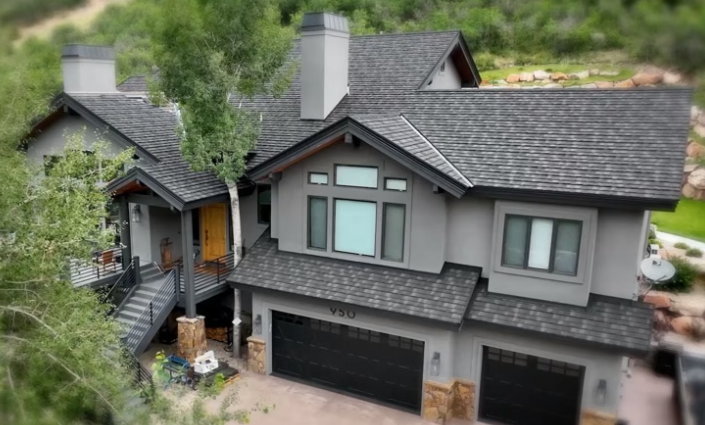
When wildfire risk is a concern, your roof plays an important role in protecting your home or business. Kimball Roofing & Siding provides Class A fire-resistant roofing solutions designed to offer a higher level of protection against fire exposure while providing the durability and performance you expect from a professionally installed roofing system.
Whether you're replacing an aging roof, upgrading your existing roofing system, addressing wildfire-related damage, or installing a new roof, our experienced team can help you explore Class A fire-resistant roofing options suited to your property. We provide professional roofing installation, replacement, and storm-related repairs for homeowners and businesses throughout Northern Utah and Southwest Wyoming, including Salt Lake City, Heber City, Park City, Provo, Ogden, and surrounding communities.