
Installation That Protects Against Regional Weather
Roof Installation in Salt Lake City & Murray, UT, for homes requiring systems built to handle snow, wind, and seasonal temperature changes
Residential Roof Installation Services in Utah & Southwest Wyoming
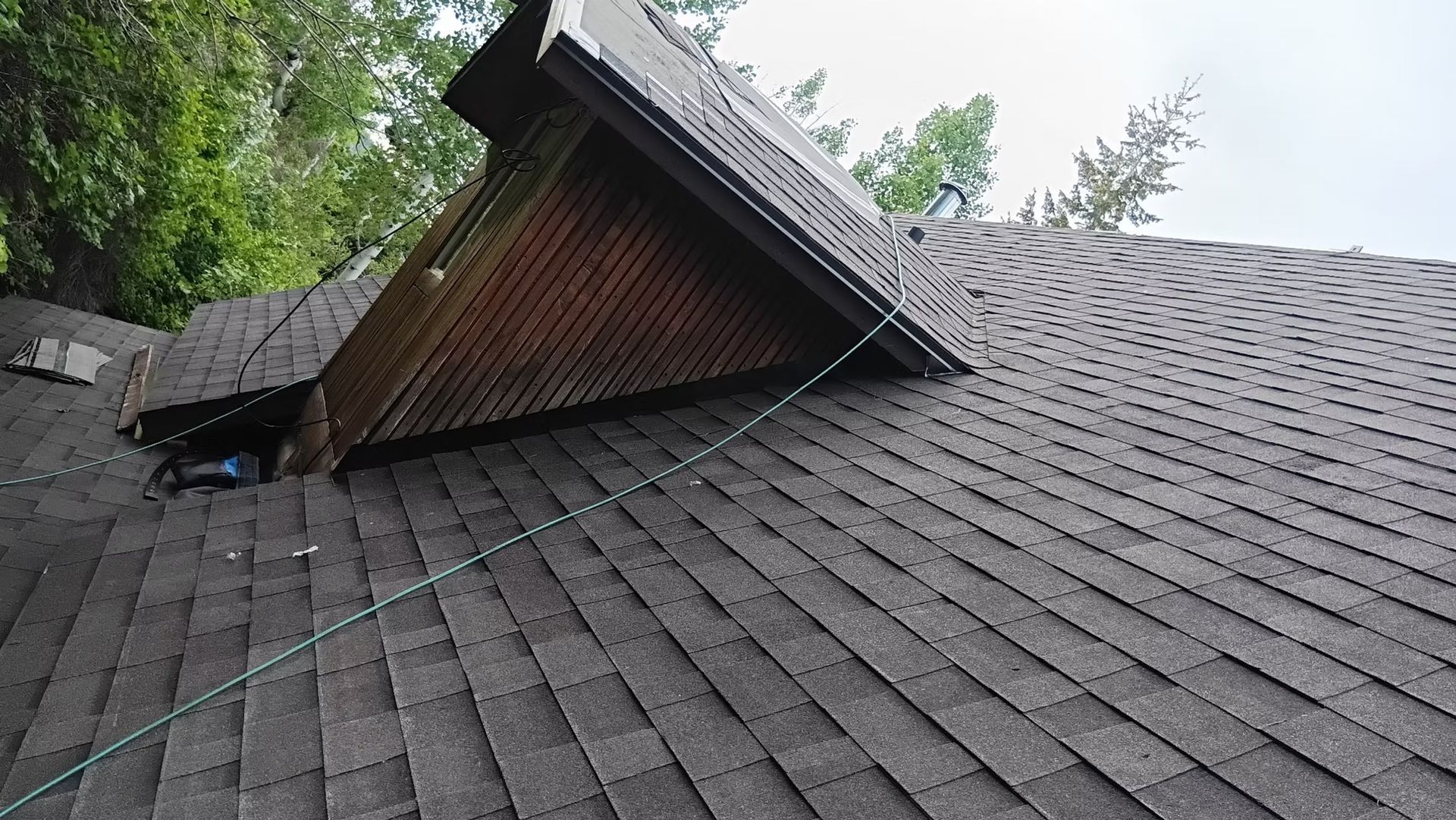
A properly installed roof is one of the most important investments you can make in your home. At Kimball Roofing & Siding, we provide professional residential roof installation services designed to deliver long-term protection, energy efficiency, and lasting curb appeal for homeowners throughout Utah and Southwest Wyoming.
With locations in Heber City, Murray, and Salt Lake City, Utah, our team understands the unique demands placed on local roofing systems. From heavy mountain snow and strong winds to intense UV exposure, freeze-thaw cycles, and seasonal temperature changes, we install roofing systems built to handle the conditions homeowners experience across the region.
Whether you are building a new home, upgrading an older property, or replacing an outdated roofing system, Kimball Roofing & Siding delivers dependable installation backed by decades of experience and quality craftsmanship.
Get a Quote
Get a Quote
We will get back to you as soon as possible.
Please try again later.
Professional Roof Installation Built Around Your Home
Every home has different roofing needs. Our team takes the time to evaluate your property, understand your goals, and recommend a roofing solution that fits your home's design, budget, and performance expectations.
Our residential roof installation services include:
- New roof installation
- Residential roofing systems
- Asphalt shingle roofing
- Metal roofing options
- Energy-efficient roofing solutions
- Roof replacement projects
- Roof inspections and evaluations
From material selection to final installation, we focus on creating a roofing system that provides reliable protection for years to come.
Roofing Systems Designed for Utah Weather
Utah's climate can be challenging on residential roofs. A quality installation requires the right materials, proper techniques, and an understanding of local weather conditions.
Our roofing systems are designed to help withstand:
- Heavy snow loads
- Winter ice and moisture
- High wind exposure
- Intense sunlight and UV rays
- Freeze-thaw conditions
- Seasonal temperature swings
- Storm-related damage
By installing roofing systems suited for the region, we help homeowners improve durability while reducing future maintenance concerns.
Improve Home Protection & Energy Efficiency With a New Roof
regulate indoor temperatures and reducing energy loss.
A professionally installed roof can provide:
- Better insulation performance
- Improved energy efficiency
- Reduced drafts and air loss
- Enhanced moisture protection
- Increased home value
- Updated curb appeal
- Greater peace of mind
Investing in proper installation helps your roof perform better through every season.
Quality Materials & Experienced Installation
The success of any roofing project depends on both the materials selected and the installation behind them. Kimball Roofing & Siding uses quality roofing products and proven installation methods to help ensure long-term performance.
Our team focuses on:
- Proper preparation
- Attention to detail
- Reliable installation practices
- Clear communication throughout the project
- A clean and professional job site
We believe your new roof should provide dependable protection long after installation is complete.
Why Choose Kimball Roofing & Siding for Roof Installation?
Trusted Roofing Experts for Utah Homes & Businesses
Kimball Roofing & Siding provides roofing solutions backed by decades of experience, licensed and insured service, and a commitment to quality workmanship. We proudly serve residential and commercial customers throughout Utah and Southwest Wyoming with roofing systems designed for long-term protection.
Homeowners choose Kimball because we provide:
- Residential and commercial roofing expertise
- Licensed and insured contractor service
- Honest inspections and recommendations
- Clear estimates and project expectations
- Quality roofing materials
- Experience with Utah weather conditions
- Complete exterior solutions including siding, gutters, and windows
Our goal is to provide a roofing experience built on trust, communication, and craftsmanship.
Common Questions About This Service
Homeowners preparing for roof installation often want to understand what the process involves and how decisions affect long-term performance.
How long does roof installation take?
Most residential installations complete in one to three days depending on roof size and complexity, though weather delays are common in Salt Lake City during spring and fall when storms arrive unpredictably.
What happens if the deck needs repairs?
Damaged or sagging decking gets replaced before underlayment installation, since new shingles won't perform correctly over compromised structure, and hidden deck problems only become visible once old roofing is removed.
Why does underlayment matter?
Underlayment provides a secondary water barrier that protects the deck if shingles get damaged or lifted by wind, and synthetic underlayment resists the tearing and cracking that occurs with felt paper in cold temperatures.
What's included in the final inspection?
Installers verify that all flashing is sealed, no fasteners are exposed or overdriven, ventilation components are unobstructed, and debris is cleared from gutters and the property.
How soon can I see if installation was done correctly?
Proper installation shows up immediately in how shingles lie flat and seams align, but long-term performance becomes evident over the first winter when snow loads and ice dams test every component of the system.
Your roof is your home's first defense against the elements, and professional installation makes all the difference. Whether you are constructing a new home, upgrading an aging roof, or looking for a more energy-efficient roofing solution, Kimball Roofing & Siding provides dependable roof installation services designed for Utah's climate.
Serving homeowners throughout Salt Lake City, Heber City, Northern Utah, all Utah communities, and Southwest Wyoming, our team delivers roofing systems built for durability, efficiency, and long-term performance.
Contact Kimball Roofing & Siding today to schedule your roofing consultation and discover why homeowners throughout the region trust us for quality roof installation.