When Full Replacement Makes More Sense
Roof Replacement in Salt Lake City & Murray, UT, for homes where repair costs approach replacement value or damage affects multiple roof sections
Residential Roof Replacement Services in Utah & Southwest Wyoming
Your roof is one of the most important investments protecting your home. When repairs are no longer enough, a professional roof replacement provides the durability, efficiency, and protection your property needs for years to come. At Kimball Roofing & Siding, we provide complete residential roof replacement services for homeowners throughout Utah and Southwest Wyoming, helping protect homes from the region's toughest weather conditions.
With locations in Heber City, Murray, and Salt Lake City, Utah, our experienced team understands the challenges local homeowners face, including heavy snow loads, high winds, intense UV exposure, freeze-thaw cycles, seasonal temperature changes, and storm-related damage. We install roofing systems designed to provide reliable performance, improve curb appeal, and protect your home through every season.
Get a Quote
Get a Quote
We will get back to you as soon as possible.
Please try again later.
When Is It Time for a Roof Replacement?
Not every roofing problem requires a full replacement, but there are times when replacing your roof is the best long-term solution. An aging or damaged roof can lead to leaks, moisture intrusion, energy loss, and costly interior damage if left untreated.
Common signs you may need a roof replacement include:
- Frequent roof repairs
- Aging roofing materials
- Missing or damaged shingles
- Storm or wind damage
- Persistent leaks
- Visible wear and deterioration
- Higher energy costs
- Sagging or damaged areas
Our team provides honest roof inspections and recommendations so you understand your options before making a decision.
Complete Residential Roof Replacement Solutions
At Kimball Roofing & Siding, we don't believe in one-size-fits-all roofing solutions. Every home has different needs based on its design, location, materials, and exposure to weather.
Our roof replacement services include:
- Residential roof replacement
- Complete roof installation
- Asphalt shingle roofing
- Metal roofing systems
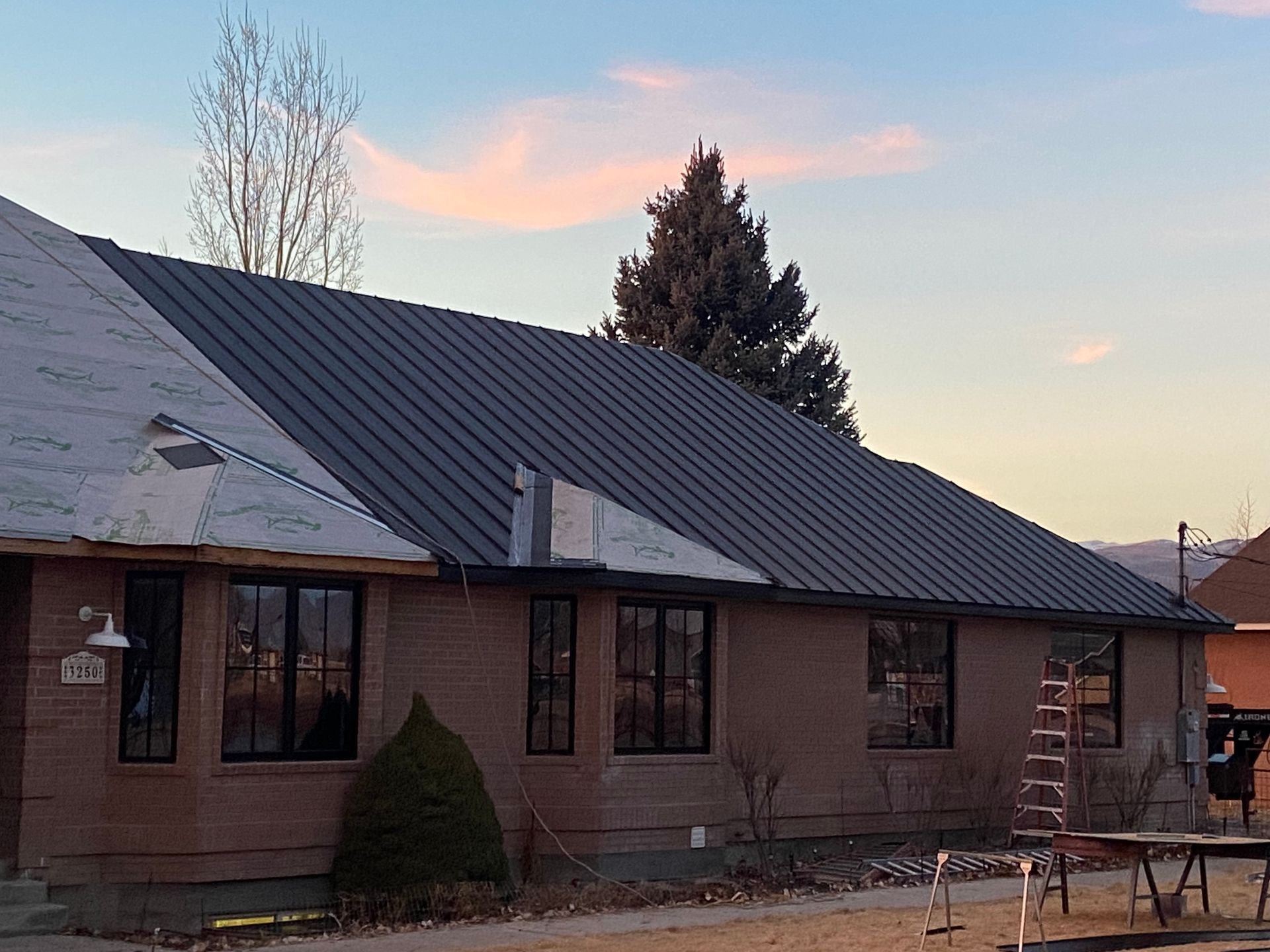
- Storm damage roof replacement
- Energy-efficient roofing upgrades
- Roof inspections and evaluations
From removing an outdated roofing system to installing a durable replacement, our team focuses on quality workmanship and long-term protection.
Roofing Systems Built for Utah Weather
Utah homes experience some of the most demanding weather conditions throughout the year. A properly installed roof needs to handle more than just everyday exposure—it must perform through extreme seasonal changes.
Our roofing systems are designed to help protect against:
- Heavy snow accumulation
- Ice and freeze-thaw cycles
- Strong wind exposure
- Intense UV rays
- Heavy rain and storms
- Seasonal temperature swings
With local experience across Utah communities, we understand the importance of choosing roofing materials and installation methods that match the environment.
Improve Your Home With an Energy-Efficient Roof Replacement
A new roof can do more than improve appearance, it can also improve how your home performs. Modern roofing systems, proper installation techniques, and quality materials can help improve comfort and efficiency.
A roof replacement can provide:
- Better insulation performance
- Reduced drafts
- Improved energy efficiency
- More consistent indoor temperatures
- Lower long-term maintenance needs
- Increased home value
Investing in a new roof helps protect your home while improving overall performance.
Why Choose Kimball Roofing & Siding for Roof Replacement?
Trusted Roofing Experts for Utah Homes & Businesses
Kimball Roofing & Siding provides roof replacement solutions backed by decades of experience, licensed and insured service, and a commitment to quality workmanship. We serve residential and commercial customers throughout Utah and Southwest Wyoming with roofing systems designed for long-term protection.
Homeowners choose Kimball because we provide:
- Residential and commercial roofing expertise
- Licensed and insured roofing services
- Honest inspections and recommendations
- Clear project estimates
- Quality roofing materials
- Experience with Utah weather conditions
- Employee-owned commitment to craftsmanship
- Complete exterior solutions including siding, gutters, and windows
We focus on doing the job right from the beginning, providing homeowners with confidence in their investment.
Questions Before Starting Your Project
Property owners facing roof replacement often need guidance about timing, process, and how to evaluate whether replacement is truly necessary.
When should I replace my roof instead of repairing it?
Replacement makes sense when repair costs exceed half the replacement cost, when multiple areas show damage, when the roof has reached 75 percent of its expected lifespan, or when leaks persist despite previous repair attempts.
How does storm damage affect the replacement decision?
Extensive hail damage or wind uplift across large sections often justifies replacement because the cumulative repair cost approaches full replacement, and insurance coverage may make replacement the only financially viable option.
What happens during a replacement evaluation in Salt Lake City?
Inspectors check shingle condition, examine the deck from below for staining or sagging, assess flashing around penetrations, and evaluate whether ventilation meets current standards for Northern Utah's climate.
Can I replace just part of my roof?
Partial replacement works if damage is isolated to one slope or section and the rest of the roof has years of functional life remaining, but mixing old and new materials creates aesthetic mismatches and staggered maintenance schedules.
How long does a replacement roof last?
Properly installed asphalt shingle roofs in Northern Utah typically last 20 to 30 years depending on material quality, ventilation performance, and exposure to extreme weather, with south-facing slopes often wearing faster due to UV exposure.
A roof replacement is a major home improvement project, and choosing an experienced contractor matters. Whether your roof has reached the end of its lifespan, suffered storm damage, or you want to upgrade your home's protection and efficiency, Kimball Roofing & Siding is ready to help.
Serving homeowners throughout Salt Lake City, Heber City, Northern Utah, all Utah communities, and Southwest Wyoming, we provide dependable roof replacement services built around quality, durability, and long-term performance.