
Most Roof Problems Start Where You Cannot See
Professional roof inspections and preventative maintenance plans for property owners in Salt Lake City & Murray, UT
You walk past your roof every day without seeing the cracked sealant around vents, the lifted shingles along the ridge, or the granule loss that exposes the asphalt beneath. Roof inspections in Salt Lake City & Murray, UT, identify wear, damage, and potential problem areas before they cause leaks or structural failure. Kimball Roofing & Siding provides assessments that account for snow load stress, UV exposure, and wind uplift common in northern Utah, helping you plan repairs or replacements with clear recommendations based on what the inspection reveals.
Inspections serve homeowners, property managers, and anyone involved in real estate transactions who needs an accurate picture of roof condition. Preventative maintenance plans reduce long-term repair costs by addressing small issues before they require expensive fixes. You receive a detailed report that explains what needs immediate attention, what can wait, and what the roof's remaining lifespan looks like under normal conditions.
If you want to know the condition of your roof before problems start, schedule a routine inspection with Kimball Roofing & Siding to get a professional evaluation.
Get a Quote
Get a Quote
We will get back to you as soon as possible.
Please try again later.
What an Inspection Uncovers and Why It Matters
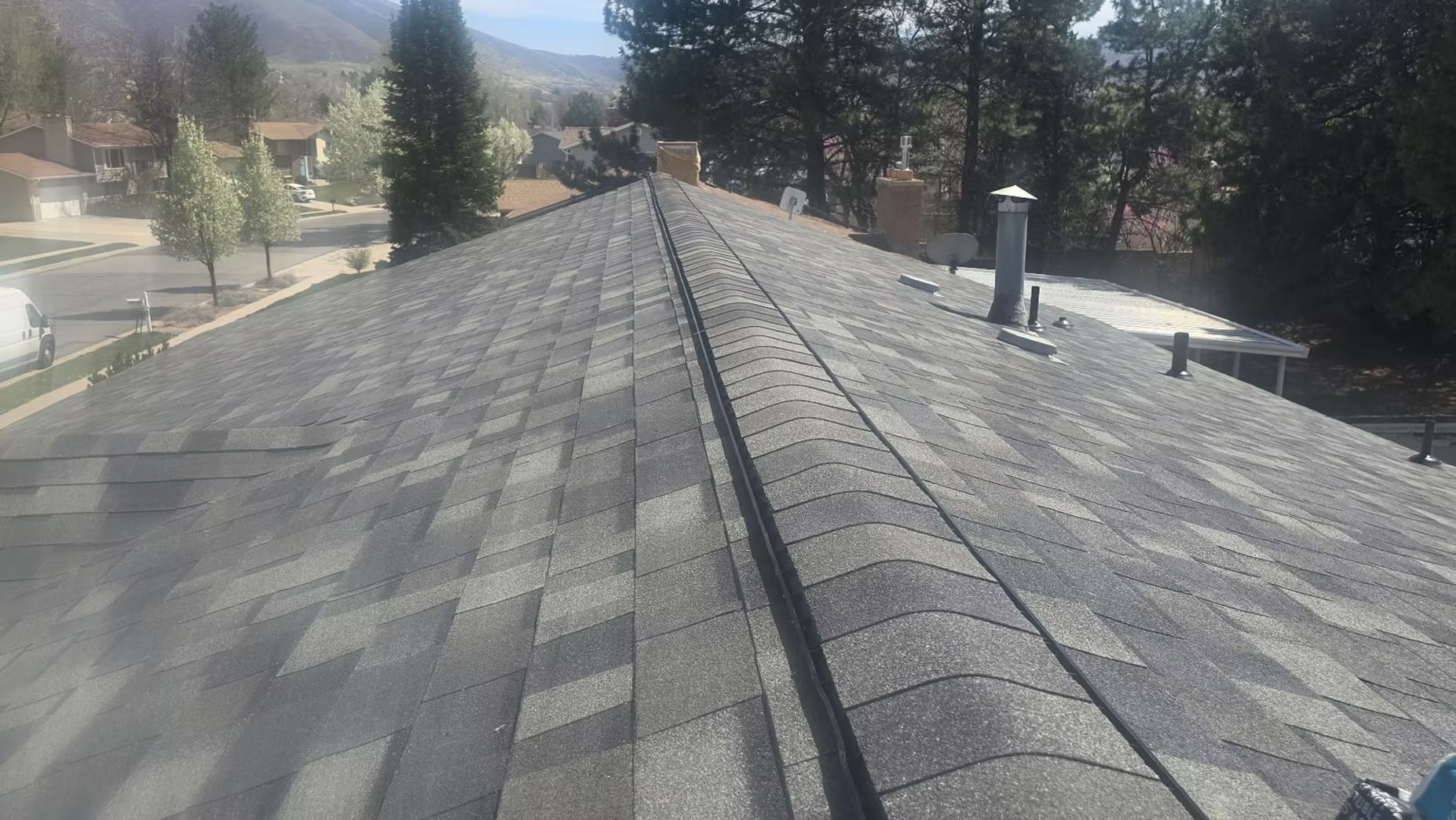
An inspection in Salt Lake City & Murray, UT, includes a visual assessment of shingles, flashing, vents, and gutters, along with a walk of the roof surface to check for soft spots and structural concerns. The inspector documents missing granules, curled edges, cracked sealant, and any signs of water intrusion in the attic or along eaves. You receive photos and notes that explain the current state of your roof and what needs attention over the next few seasons.
After the inspection, you understand where your roof is vulnerable and what repairs will prevent larger failures. You see which areas lose shingle adhesion first, where ice dams form during snowmelt, and whether your ventilation allows moisture to escape properly. The report gives you a timeline for future work, so you can budget for repairs or replacement before an emergency forces a rushed decision.
Maintenance plans include periodic cleanings, sealant reapplication, and minor repairs that keep your roof performing well between major service intervals. The work does not include interior repairs or structural modifications, but it extends the functional life of the materials already in place. Inspections are especially useful before buying or selling a property, when both parties need an objective assessment of roof condition and remaining lifespan.
What property owners ask about roof inspections
Many people schedule their first inspection only after noticing a problem, but regular assessments catch issues early and save money over time. These questions reflect what homeowners and property managers want to know before booking an inspection visit.
How often should I have my roof inspected?
You should schedule an inspection every two to three years, or after major storms that bring high winds or hail. Older roofs and flat roofing systems benefit from annual assessments to catch wear before it causes leaks.
What does the inspector look for during the assessment?
Inspectors check for missing or damaged shingles, cracked flashing, exposed nails, granule loss, and soft spots in the decking. They also examine attic ventilation and look for water stains or mold that indicate past or ongoing leaks.
Why does snow load matter for roofs in this area?
Heavy snow accumulation stresses roof decking and can cause sagging or structural failure if the materials are already compromised. Inspections identify weak points that may not support the weight of a typical winter snowpack in Salt Lake City.
What happens if the inspection finds damage?
You receive a report detailing the damage, its severity, and recommended repairs. The report includes cost estimates and a timeline for addressing each issue based on urgency and risk.
When is the best time to schedule an inspection?
Spring and fall are ideal because they allow you to address issues before extreme weather arrives. Post-storm inspections help document damage for insurance claims and prevent minor problems from worsening.
Kimball Roofing & Siding offers roof inspections and maintenance services throughout the greater service region, helping residential and commercial property owners stay ahead of costly repairs. If you need an inspection for a real estate transaction, a routine assessment, or a post-storm evaluation, contact the team to schedule a visit and receive a clear report on your roof's condition and next steps.